
Educational Assessments
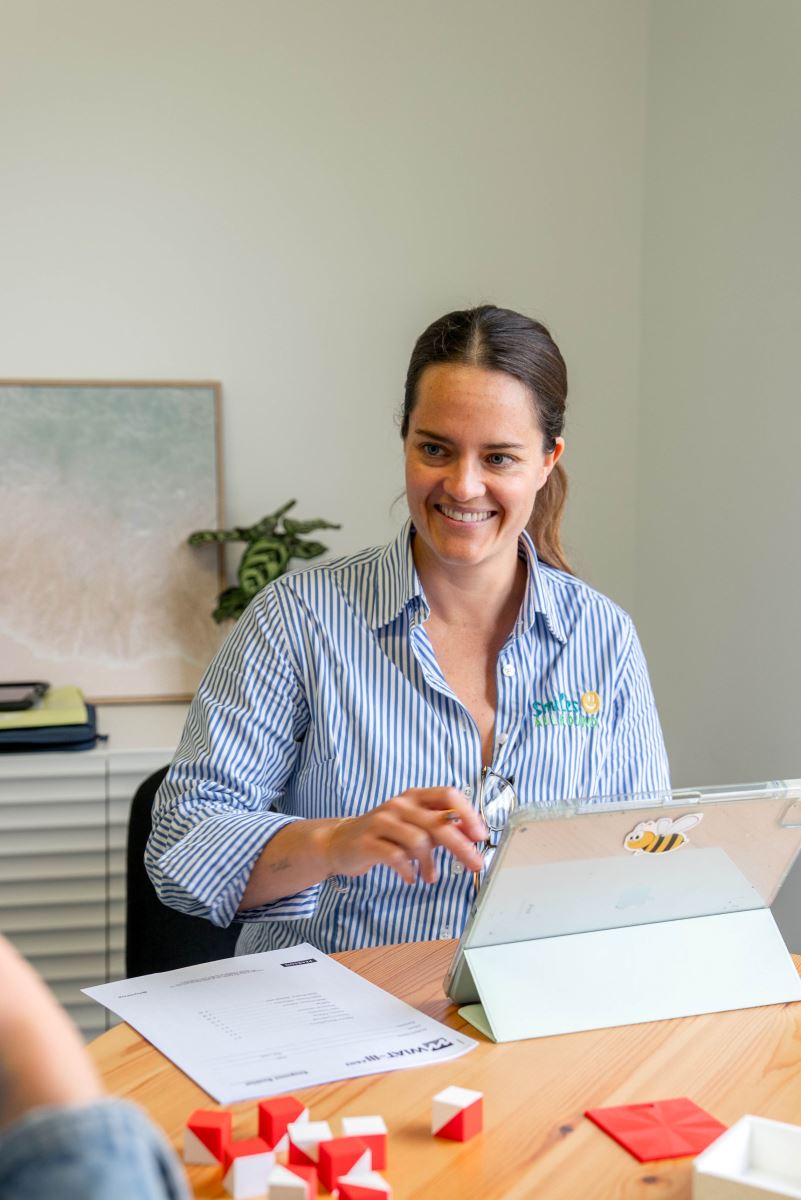
What to expect: At Smiles All Round, we understand that the psychoeducational assessment process can feel a little scary or nerve-wracking for you and your child. Our goal at Smiles is to make this experience as comfortable and informative as possible. Here’s what you can expect as you prepare for and go through the assessment process.
Initial Consultation
Before the assessment, we’ll have an initial meeting with you, typically over the phone or in person. This allows us to understand your concerns, gather background information about your child’s development, school performance, social and family history and any specific challenges they may be facing. It’s also a chance for you to ask any questions about the process.
The Assessment Day
The assessment typically takes place over one or two sessions, depending on your child’s needs and the specific tests being administered, at the Smiles All Round office in Naracoorte. During these sessions, your child will complete a variety of tasks and activities designed to assess cognitive and academic abilities. As a guide, the assessment takes approximately three hours in total.
The psychoeducational assessment always includes a cognitive assessment, which looks at strengths and weaknesses in your child’s thinking and problem-solving abilities. It measures aspects like how well they understand and use language, how they process visual information, their memory skills, how quickly they can complete tasks and their ability to solve new problems. By looking at these different skills, we can gain a better understanding of how your child learns and where they might need extra support.
Additionally, we conduct a series of other assessments to determine your child’s academic skills in areas like reading, writing, maths and oral language. It helps us understand how well your child is performing in school subjects compared to other children their age. The test looks at things like how well they can read, spell, understand what they’ve read, solve math problems and write sentences. By assessing these different areas, we can gain valuable insights into your child’s strengths and areas where they might need extra help to succeed in school.
At Smiles All Round, we use the following standardised assessments:
- Standardised cognitive Intelligence test (WISC V). The Wechsler Intelligence Scale for Children – Fifth Edition (WISC-V) evaluates a variety of abilities and skills that are considered to be a part of “intelligence”.
- Standardised achievement academic test (WIAT III). The WIAT-III is used as an assessment tool to provide a measure of current achievement levels in literacy and mathematics.
- Other relevant assessment tools such the Comprehensive Test of Phonological Processing 2nd edition which assesses phonological awareness, phonological memory, and verbal fluency/rapid naming are used.
Environment
We ensure the environment is welcoming and supportive to make your child feel comfortable. You may be invited to observe or wait during this time, depending on what feels most comfortable for you and your child. The majority of children are happy for their parents to leave the room during the assessment. We provide different options for seating, such as exercise balls and wobble stools. Children are encouraged to use fidgets and small toys, if this helps with focus and concentration. Snacks and drink bottles are welcome (and encouraged)!
Child-Centered Approach
Our assessments are designed to be child-friendly. We use a combination of structured tasks, informal interactions and questionnaires to get a comprehensive understanding of your child’s strengths and areas of need. Our assessors are very experienced with working with children and aim to create a safe, fun and welcoming space for your child. We work to keep the process engaging and relaxed to reduce any stress for your child. Children are welcome to have a break when they need and our assessors are always on the lookout for when your child needs to have a break.
Feedback and Results
After the assessment is complete, we will complete our comprehensive report and schedule a feedback session to share our findings with you. We’ll explain the results in clear, understandable language (despite our best efforts we know sometimes they read like a foreign language) and discuss what they mean for your child’s learning, development and overall well-being. This is a collaborative conversation where we’ll outline recommendations and discuss next steps for support at school and home. This is a great opportunity for you to ask questions and clarify any information from the report. Additionally, we can arrange a feedback session with your child’s school (additional fee applies).
Ongoing Support
Our goal is to empower families with the knowledge and tools needed to support your child’s learning and emotional development. After the assessment, we can help you connect with appropriate resources, such as recommendations for interventions, educational support plans, or referrals to other professionals if needed.
Throughout the process, we strive to create a warm, non-judgmental environment where you feel supported, heard, and involved. We recognise that every child is unique, with their own strengths and we aim to provide personalised insights and recommendations tailored to their individual needs.
We look forward to working with you and your family!
What Parents Can Learn from a Psychoeducational Assessment
A psychoeducational assessment provides valuable insights into your child’s cognitive, academic, emotional and social functioning. It helps identify any underlying challenges and strengths that may be affecting their learning and development. Psycho-Educational Assessments can identify underlying learning difficulties and provide recommendations. This can assist your child to maximise their learning potential. The key areas that parents can learn from the assessment:
Identification of Specific Learning Disabilities (SLD)
If your child is struggling with academic tasks such as reading, writing, or mathematics, a psychoeducational assessment can help identify whether a Specific Learning Disability (SLD) may be contributing to these challenges. The assessment can pinpoint areas where your child’s abilities may not align with their grade-level expectations and provide a clear understanding of the nature of their difficulties. Common types of SLD include:
Specific Learning Disorder with an Impairment in Reading (Dyslexia), Specific Learning Disorder with an Impairment in Written Expression (Dysgraphia), Specific Learning Disorder with an Impairment in Mathematics (Dyscalculia). The presence of a Learning difficulty can negatively impact a child’s learning and enjoyment at school, emotional wellbeing and their education experience, especially when undiagnosed.
Cognitive Strengths and Challenges
The assessment will evaluate your child’s cognitive abilities, including memory, attention, processing speed, and problem-solving skills. This helps us understand how your child processes information and approaches tasks. It can highlight areas of strength that may be leveraged for learning, as well as areas that might require additional support or intervention.
Academic Performance and Gaps
The assessment will measure how your child is performing in key academic areas, such as reading, writing, and mathematics. If your child is performing below or above expected levels, the results can highlight specific academic gaps that may need to be addressed. This can lead to targeted interventions to help improve their skills, extend their skills and support their learning. Achievement testing measures skills in key academic areas such as:
- Reading (accuracy, fluency and comprehension)
- Spelling accuracy
- Writing skills (handwriting and composition)
- Mathematics (reasoning and operating skills
Emotional and Social Functioning
Beyond academic abilities, the assessment also provides insight into your child’s emotional regulation, social skills, and behavioural functioning. Understanding how your child interacts with peers, manages stress, and navigates emotional challenges can be crucial in identifying any underlying issues such as anxiety, ADHD, or social difficulties that may be affecting their academic performance.
Attention and Focus
If your child struggles with staying focused or managing attention, the assessment can help determine the impact these difficulties may be having at home and school. By assessing your child’s attention span, impulsivity and ability to concentrate, we can offer recommendations for strategies or interventions to support focus and reduce distractions in the classroom. We may also recommend additional assessments such as assessing for Attention Deficit Hyperactivity Disorder (ADHD) to determine if something else is contributing to these difficulties.
Personalised Recommendations
Finally, the results of the assessment will provide personalised recommendations for supporting your child’s learning at home and school. These recommendations may include accommodations (like extra time on tests or differentiated instructions), strategies to improve focus and organisation, supports across areas of Literacy and Numeracy, or general classroom and home recommendations to support your child’s strengths and weaknesses. We may also suggest additional assessments or referrals to other professionals if needed, such as speech therapists, counsellors or a paediatrician.
The goal of the psychoeducational assessment is to give you a comprehensive understanding of your child’s strengths, challenges and specific needs. By identifying areas of difficulty early, we can work together to create a plan that supports your child’s academic success, emotional well-being, and overall development.