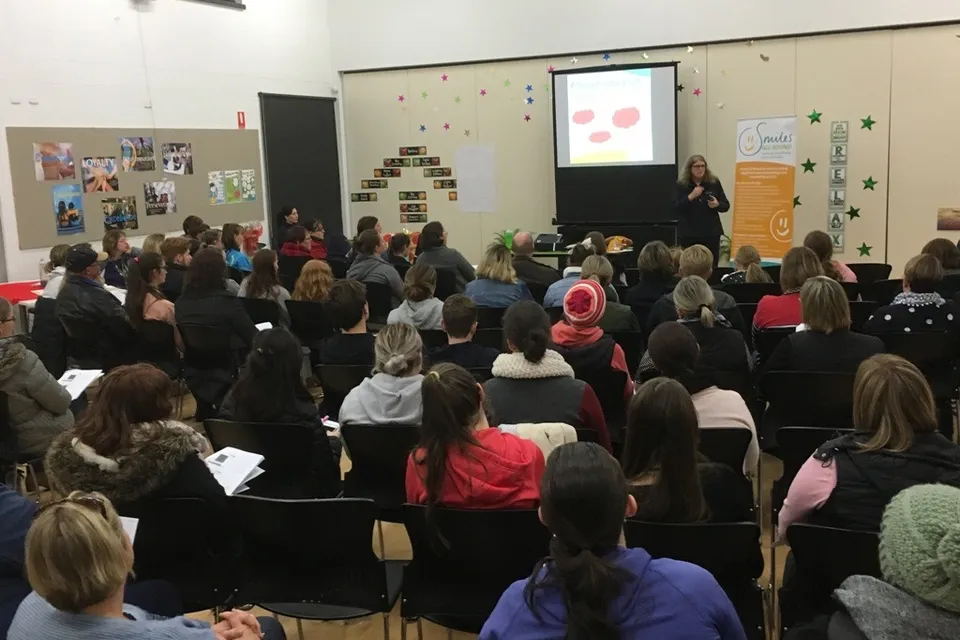
Educator and Support Staff Training
Brain science, regulation, reflection and connection translated into practical support for education settings.
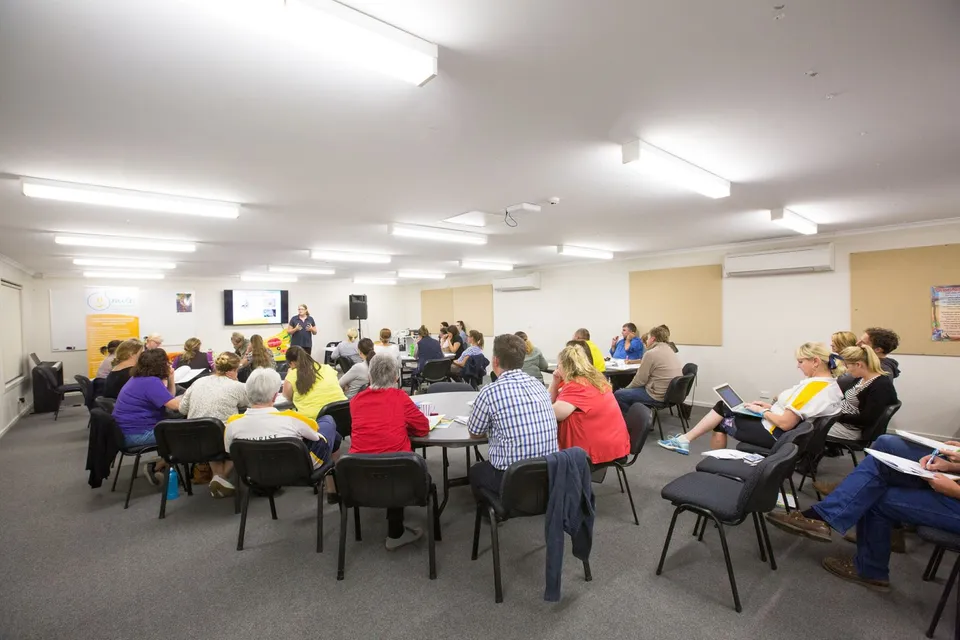
Introductory workshop
A standalone introduction to shared terminology, brain science, emotions and practical regulation support.
- Target audience:
- Educators and support staff
- Key learning:
- Shared terminology, Brain science & Understanding emotions
Key focus
- Shared terminology
- Brain science
- Understanding emotions
What you’ll learn
- Understand dysregulation, regulation and co-regulation, with a snapshot of autism, ADHD and specific learning disorders.
- Understand the brain science behind emotions and why regulation strategies work.
- Recognise how connection, communication and a safe space foster mental health and resilience.
- Understand how anxiety and stress can affect a student's thoughts and body.
- Recognise possible triggers and early signs of dysregulation.
- Use practical strategies to support students experiencing overwhelm, frustration, anger, stress, sadness or nervousness.
Resources provided
- PowerPoint presentation
- Infographics explaining the terminology discussed
- Personalised regulation plan template
- Smiles All Round Brain Science and Zones handout
- ‘I am the boss of how I think, feel and act’ poster
Complete training series
A connected three-session program covering emotional regulation, reflective practice and practical ways to strengthen connection.
- Target audience:
- Educators and support staff
- Key learning:
- Brain science and regulation, Reflective practice & Connection and communication
- Length:
- Three sessions of approximately 2 hours each
All three sessions are delivered as one complete training series. Delivery can be adapted to your organisation's requirements while retaining the complete core content.
Key focus
- Brain science and regulation
- Reflective practice
- Connection and communication
What you’ll learn
- Recognise and manage thoughts and feelings using practical regulation strategies.
- Reflect on how our thoughts, beliefs, assumptions and reactions affect ourselves and others.
- Explore what may drive a student's behaviour and what their behaviour or emotions may be communicating.
- Apply connection, shared regulation and communication strategies in education settings.
- Explore practical regulation plans that can be implemented in a classroom.
Complete series
Session A — I am the boss of how I think, feel and act
Understand the brain science behind emotions and why strategies work, then learn practical ways to recognise and manage thoughts and feelings and support regulation.
Session B — Be curious, be reflective
Explore what sits behind behaviours, emotions and reactions. Reflect on how our own thoughts, beliefs and assumptions affect us and those around us, and consider what student behaviour may be communicating.
Session C — Connection is the key
Explore the importance of connection, shared regulation strategies and communication, including practical examples of regulation plans for the classroom.